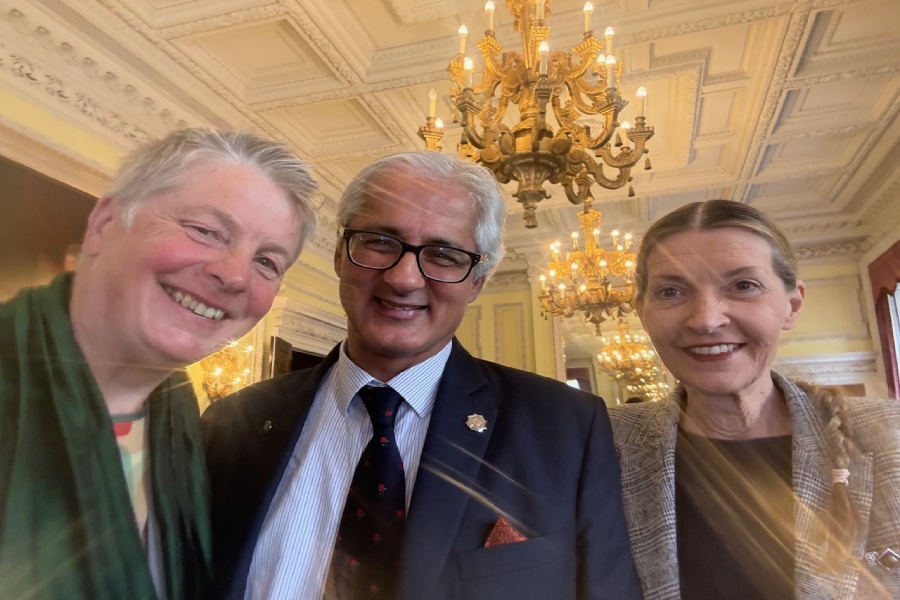
When the World Academy of Art and Science (WAAS) launched Human Security for All (HS4A) in partnership with the UN Trust Fund for Human Security, the campaign’s first task was to carry a single idea — that real security means food, health, dignity, a livable planet, and more — into the rooms where the world’s decisions get made. It reached the floor of the world’s largest technology show, the halls of the Inter-Parliamentary Union, and the stages of COP28, generating nearly 4.9 million impressions and persuading global institutions to adopt human security as their own theme.
India is where that idea met its largest audience.
Numbers released in the most recent HS4A India report, for 2024–25 and 2025–26, show a consistent and broad application of human security to young learners. Implemented by the SpellBee International Foundation for Human Excellence (SIFHE), supported by SpellBee International, and guided by WAAS, the project has translated a global framework into a working model of teaching. Its “Classroom to Communities” (C2C) approach builds students’ fluency in listening, speaking, reading, and writing by using human security themes as the raw material for expression, anchored to a library of 60 observance-day booklets spanning environmental conservation, peace, health, human rights, and responsible citizenship.
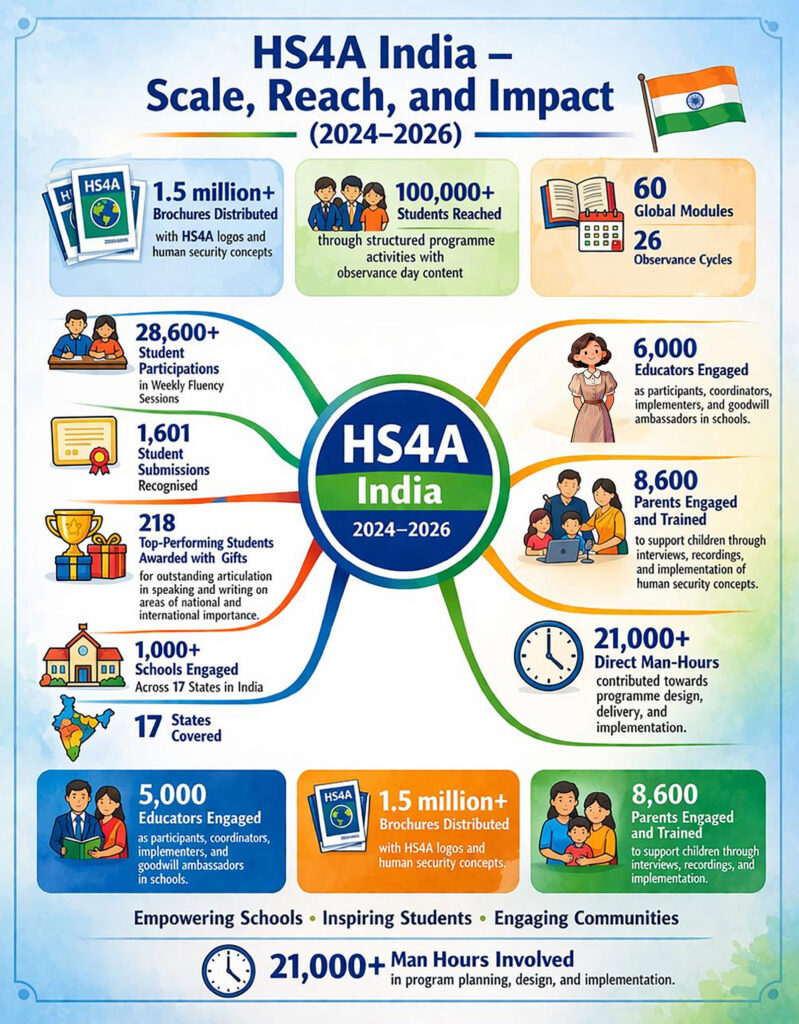
More than 1.5 million brochures have carried the HS4A message into homes, reaching an estimated 4.5 million readers. Over 100,000 students were engaged, 28,600-plus took part in weekly fluency sessions, 1,601 submissions were formally recognized, and 218 top performers were honored for their articulation on issues of national and global importance. The program touched 1,000-plus schools across 17 states, mobilized 6,000 educators, and trained 8,600 parents — underpinned by more than 21,000 hours of design and delivery work.
What gives the India chapter its significance is the bridge it completes. Where the global campaign moved leaders, India moves learners — and through them, families and entire communities. WAAS Fellows and experts brought their disciplines directly to teachers, while a collaboration with IIM Calcutta extended capacity building to heads of institutions.
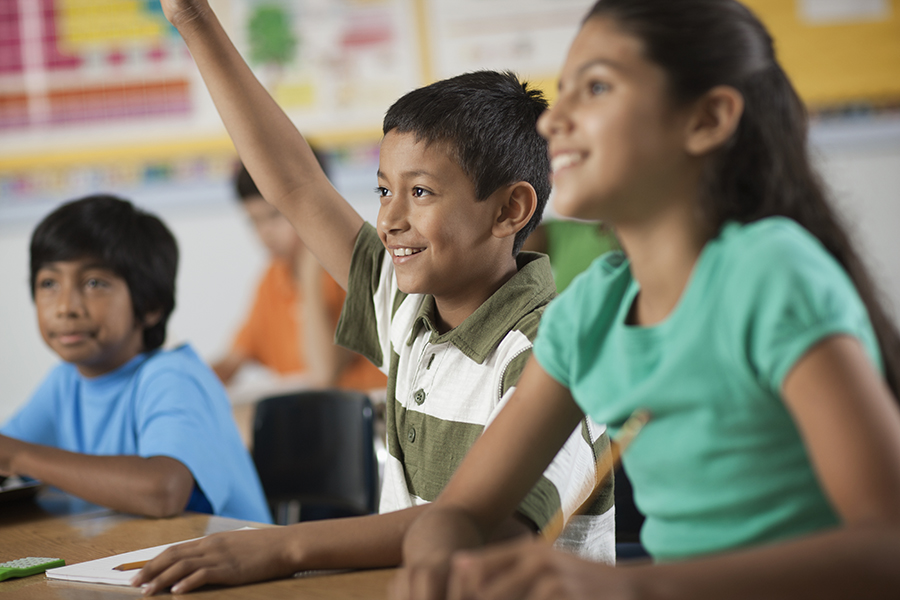
The next phase aims higher still: 1,000 schools and 100,000 engaged students within three to five years, with international expansion under discussion across Asia, the Middle East, South America, and Africa. From a phrase coined in a 1994 UN report to a child in an Indian classroom speaking confidently about the world she wants to build — that is the distance HS4A India has begun to close.