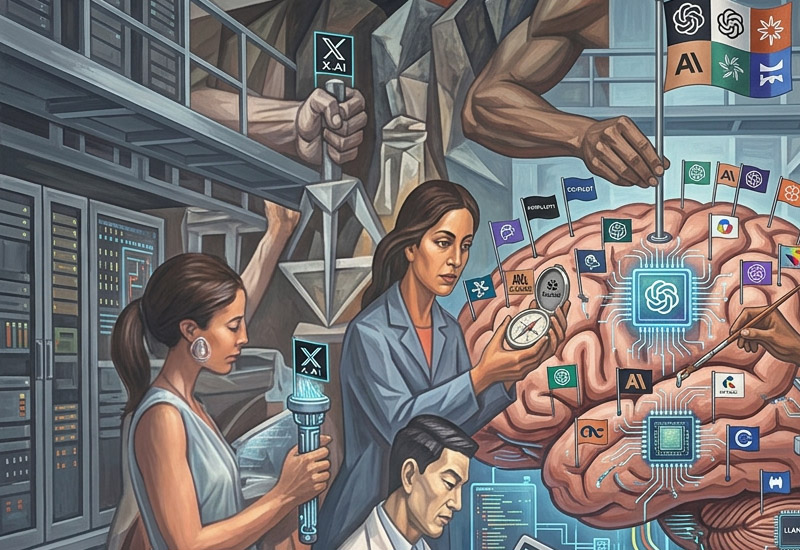
 | Colonizing the Mind | Dear Fellows, The World Academy of Art and Science convenes humanity’s most thoughtful minds to address the defining challenges of our time. This edition of our newsletter reflects a world in profound transition—where the convergence of technological innovation, environmental crisis, and social fragmentation demands new frameworks for understanding and acting. From aesthetic rights in the age of AI to the emerging threat of “cognitive empires,” our latest dialogues have examined the relationship between technology and power, and considered how to safeguard human flourishing and meaning. These are not abstract academic questions. They speak to the future of human dignity, democratic governance, and our collective capacity to shape civilization’s trajectory. Simultaneously, we witness the enduring power of art, history, and ethical reflection as catalysts for transformation. Whether through artistic expression advancing human security, historical knowledge that informs peacebuilding, or science mobilized for sustainable development, we see the vital integration of knowledge systems that transcends disciplinary boundaries. The events and initiatives highlighted here—from UNESCO’s global conference on sustainable development to climate research bridging science and arts—demonstrate WAAS’s commitment to fostering the cross-sector partnerships and innovative thinking required for systemic change. As we navigate accelerating technological and environmental transformation, the Academy’s mission remains constant: to bring together diverse expertise, perspectives, and lived experience to illuminate a pathway towards a more resilient, just, and human future. Sincerely, Garry Jacobs President, WAAS | | Event Reportback | | | WAAS Talks on Science for Human Security: Future with Fusion Energy
| 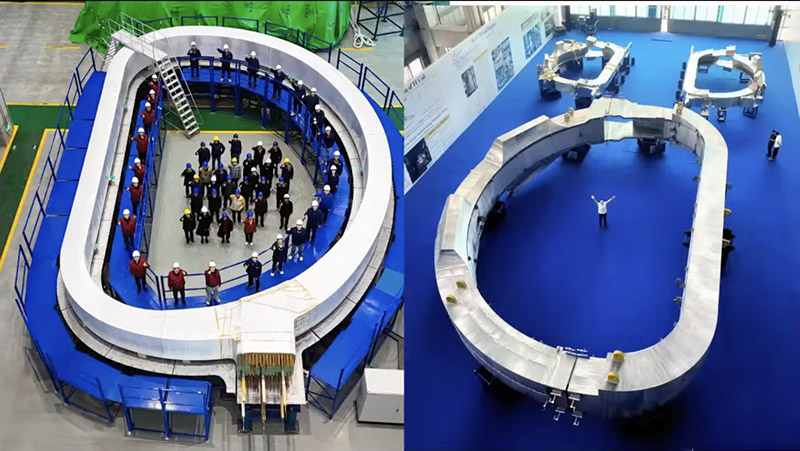 | This webinar within the WAAS program “WAAS Talks on Science for Humans Security” focused on the global race to develop fusion energy as a clean, sustainable power source. Experts from the international fusion community explained progress on major projects including the ITER reactor in France and China’s rapidly advancing fusion program. Speakers described how fusion works by combining hydrogen isotopes at extremely high temperatures to release energy similar to the Sun and highlighted major engineering achievements in superconducting magnets and reactor construction. The panel concluded that commercial fusion power remains promising but still decades away despite optimistic private-sector claims. | | | Watch Here | | Aesthetic Rights in the AI Era: Arts, Human Agency, and the Governance of Human Experience | 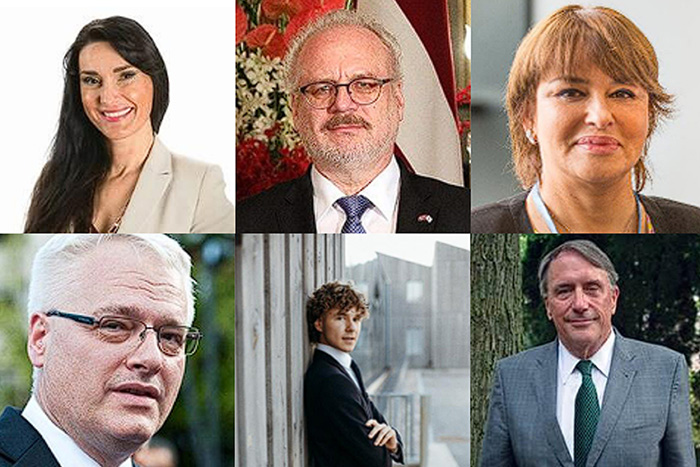 | Top left, clockwise: Ljudmila Mila Popovich, Egils Levits, Hakima El Haite, Ivo Josipović, Markuss Zabello, Peter Galbraith | This webinar, hosted by WAAS Trustee Mila Popovich on May 15, 2026, introduces the concept of aesthetic rights as an emerging framework at the intersection of human dignity, arts and culture, AI governance, and democratic futures. Bringing together former heads of state, legal scholars, artists, diplomats, and systems thinkers, the dialogue will explore how societies may safeguard human agency, creativity, and meaning-making in technologically mediated environments. | | | Watch Here | | Cognitive Empires, Colonizing The Mind |  | A new form of power is emerging, one that operates not through territory or industry, but through the human mind itself. In this next phase of the Information Age, the primary strategic asset is no longer land, labour, or even data, it is cognition. As digital platforms evolve into AI-driven environments, they no longer simply distribute information; they shape perception in real time. As more of human life becomes AI-mediated, the defining question is no longer just who controls technology, but who controls the formation of belief itself. This webinar on May 20, 2026, hosted by Ketan Patel, WAAS Executive Director, considers the world that is emerging from this critical phenomenon. | | | Watch Here | | Art as a Catalyst for Human Security and Planetary Peace | 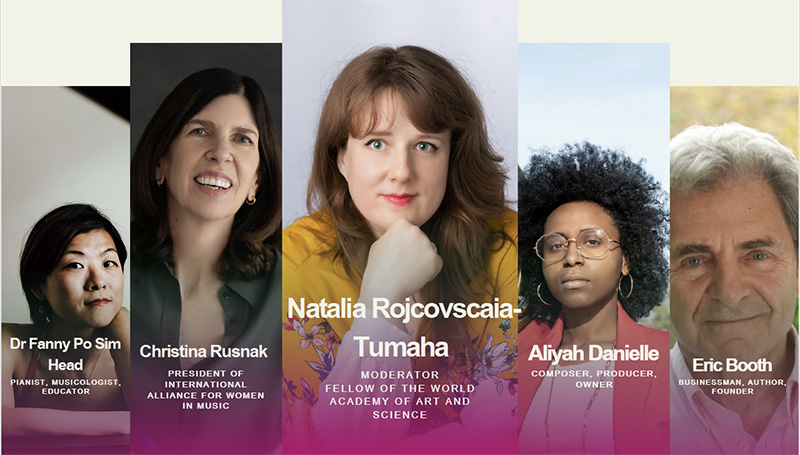 | As global threats, conflict, and social fragmentation increase, traditional security and peace-building methods show clear limitations. This webinar, hosted by WAAS Fellow Natalia Rojcovscaia-Tumaha on 30 April, 2026, examined how artistic expression can transform approaches to human security and planetary peace. Art bridges emotional and ethical gaps often missed by conventional frameworks, offering new ways to build resilient communities and foster global empathy. | | | Watch Here | |  | Save The Date: WAAS@66 | | The annual conference of the World Academy of Art and Science, WAAS@66, will be held online from September 8-11, 2026. The conference builds on the findings from WAAS@65 and other recent activities organized by WAAS and its network. Its objective is to transform the growing awareness of causes and solutions into practical strategies that can lead to action. The conference will be organized across three civilizational themes — Peace, Prosperity, and Freedom. It will close with a General Assembly of the members of the Academy. | The conference sessions will explore the following topics under three themes: Peace The Architecture of Global Security ◆ Global Peace Offensive ◆ Reversing the Retreat from Democracy, Redesigning Multilateralism & Global Rule of Law ◆ Universal Human Values, Human Security, and New Narratives for Global Cooperation ◆ Arts, Humanities and Social Evolution
Prosperity The Economics & Technology of Human Security ◆ Preparing Global Leadership for the Emerging Future and Changing the Way We Think ◆ Global Solutions to Raise the World’s Platform – A World Investment Plan ◆ Addressing Climate and Ecological Threat Multipliers ◆ Strategies to Address Job Security and Economic Inequality ◆ Bridging the Science-Policy Gap ◆ Management of Global Social Transformations by Mobilising Science & Technology as a Force for Good ◆ Navigating Existential Risk in an Age of Global Turbulence: Towards Systemic Intelligence and Resilience
Freedom Liberating Minds and Restoring Democracy in the Battle for Human ◆ Consciousness in the Age of AI ◆ The Evolution and Democratization of Social Power ◆ The Near Future of AI – Artificial General Intelligence ◆ Liberating the Human Mind – Limits to Rationality, New Cognitive Frameworks, and Creative Capabilities of Cognitive and Symbiotic Systems ◆ Rethinking Education for Human Security – AI in Global Higher Education | If you are interested in participating as a panelist or moderator in any particular session, write to support@worldacademy.org. Further details will be shared soon. | | Upcoming Events | | JUNE 6, 2026 / ONLINE Ethical Arts on a Planetary Scale This WAAS Planetary Arts webinar will explore practices and ideas to support human well-being globally. Participants will explore approaches at the intersection of art, ethics, and sustainable development, ranging from sustainability arts initiatives to body-based practices and philosophical reflection on ethical behavior. Speakers will examine how personal actions can impact a shared future. Register here.
JUNE 15, 2026 / BONN
64th Sessions of the UNFCCC Subsidiary Bodies – Climate Change and Women’s Reproductive Health: Bridging Ground Evidence and Climate Arts Research This parallel side event at SB64 highlights the importance of climate-related health research and the behavioral and communication interventions needed to translate this knowledge into action. Notably, a growing body of evidence demonstrates that climate change affects reproductive health outcomes. Still, actual policy frameworks and public discourse are needed to continue representing them and to provide research-based behavior interventions. The event will introduce and advance the Climate Arts Research Group. It aims to institutionalize collaboration between researchers, artists, and policy actors to support the integration of scientific evidence, participatory methods, and communication strategies within UNFCCC processes. JULY 15-17, 2026 / PARIS UNESCO 2026 Global Conference on the International Decade of Sciences for Sustainable Development (2024-2033) Bringing together global stakeholders to take stock of progress, spotlight science-driven solutions and help shape a resilient and inclusive post-2030 future. Connecting leaders from government, academia, industry, civil society and Indigenous knowledge communities, the conference will serve as a premier global platform to assess progress, share solutions and forge the partnerships needed to mobilize science for sustainable development at scale. AUGUST 30 – SEPTEMBER 3, 2026 / GRAN CANARIA, SPAIN 21st Conference on Sustainable Development of Energy, Water and Environment Systems (SDEWES) Aleksander Zidanšek, WAAS Vice-President (Science & Technology) in cooperation with WAAS and the Club of Rome National Associations for Slovenia and Croatia, is organizing a special session titled “Sustainability science and technology for human security.” The SDEWES Conferences are organized by WAAS Fellow Neven Duić and are dedicated to the advancement and dissemination of knowledge on methods, policies and technologies for increasing the sustainability of development by de-coupling growth from the use of natural resources and the transition to a knowledge-based economy.
Call for abstracts is open until May 31, 2026. Register here using the special session code sgc26scth. Please contact Aleksander Zidanšek for further information: aleksander.zidansek@ijs.si | |  | View the latest edition of the Existential Threats and Risks to All (EXTRA) newsletter here. To subscribe to this newsletter sign up on the EXTRA home page. |
|
| | WAAS DIGEST | | Books/Articles/Videos by Members | | | | Art by Members | | | | Member Activities | | MAY 2026, UNITED KINGDOM Deniz Ülke Kaynak: International Society of Political Psychology’s (ISPP) 2026 Nevitt Sanford Award The Nevitt Sanford Award is one of the most prestigious awards in academia and is given to honor lasting and transformative contributions to the field of political psychology. Prof. Kaynak will be presented with the award in July at a major congress to be held at the University of Newcastle in the United Kingdom. MAY 2026, MILAN Donato Kiniger Passigli: Nobel Peace Laureate Kailash Satyarthi to Join the World Academy On May 5th, 2026 Donato Kiniger Passigli, WAAS Vice-President (Social Sciences and Humanities), found himself on a train, for a one-day trip to Milan to meet with Kailash Satyarthi, a Nobel Peace laureate who for the past five decades has fought for the rights and dignity of millions of dispossessed and marginalized people across the globe.
MAY 2026, SWEDEN “From Roots to Results: Turning Human Insight into Global Action” From 12–14 May 2026, a global delegation of BRIDGES colleagues gathered to discuss the topic of mobilizing humanities expertise to contribute to more effective science-policy development and implementation. The final output of these consultations – a manifesto (aimed at the academic institutions and funders), a policy framework document (aimed at UNESCO/MOST Member States), and a substantial toolkit for policymakers (aimed diverse actors implementing policy at state and sub-state levels) – will be delivered in September 2026 for consideration and potential adoption at the next session of the MOST Intergovernmental Council. The event was supported by ASU Julie Ann Wrigley Global Futures Laboratory, in collaboration with UNESCO’s Management of Social Transformations (MOST) Programme, the BRIDGES Coalition and the Club of Rome. MAY 2026, HONG KONG Jo Nurse and Moneef Zou’bi: InterAction Council 40th Annual Plenary Meeting This international organization composed of former heads of state held a three-day plenary marked by high-level discourse aimed at fostering global cooperation and strategic governance. Key proceedings included “Strategic Reflections on Global Affairs” and the meeting opened with a “Leaders’ Reflection” on the present state of the world. The InterAction Council was established in 1983 as an independent international organization to mobilize the experience, energy and international contacts of a group of statesmen who have held the highest office in their own countries. JUNE 10-12 / DENVER GlobalMindED 2026 Conference This annual conference hosted by WAAS Fellow Carol Carter is themed, “Dimensions of Our Democracy: Architecting the Next 250 Years.” The conference convenes students and national/global leaders from across business, higher education, tech, policy, foundations/funders, policy, dedicated to creating a capable talent pipeline, networking, and building robust social networks for faculty and students. This year’s conference program has 100+ sessions, a pre-conference on the Transformational College Leader, and the Exceptional Leader Awards, where Kinsey Fabrizio, President & CEO of the Consumer Technology Association (a WAAS partner on the Human Security For All campaign) will receive the Exceptional Leader Award for Technology. GlobalMindED is dedicated to closing the opportunity gap for students, those who teach them, lead them and want to hire them. Register here. | | Add Your Perspective | | Your Thoughts on WAAS Program Topics We invite WAAS Fellows to share their thoughts and perspectives on the WAAS Program topics and how these programs can respond to the major challenges facing the world today. Selected responses will be shared on WAAS social media platforms to promote dialogue, visibility, and collective thinking, with full attribution to the author. SUBMIT HERE Share Your News With Us We are keen to hear more about your current work and how we can enhance your engagement with WAAS in a manner that is supportive and complementary. Are there conferences you have attended or are planning? Have you recently published a book, delivered a keynote, or launched an initiative that aligns with the mission of WAAS? We would be delighted to highlight such contributions in our WAAS newsletter, ensuring they reach fellow members who share your interests. Submit your news through this Google Form | | From The Archives | 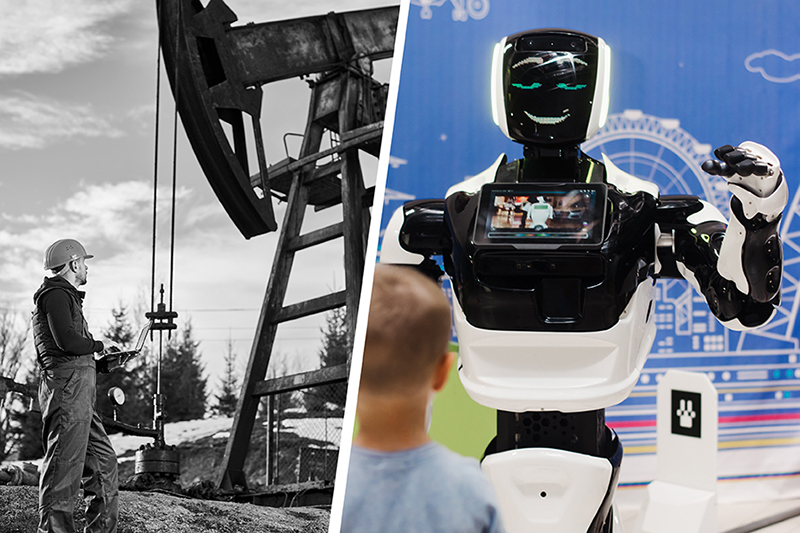 | From Scarcity to Excess: How Humanity’s Greatest Fears Have Changed since 1974 In 1974, WAAS published the Survey on World Priorities. The transformation in global priorities between 1974 and 2026 reveals something profound about how human anxiety operates: our deepest fears are not fixed, but rather mirror the specific material conditions of our time. The 1974 worldview operated under a deficit mentality: How do we produce more? The contemporary worldview operates under an excess mentality: How do we consume less? READ MORE | |
|
|
|
|
| The World Academy of Art and Science (WAAS) Solano Avenue, Napa, CA 94558, USA This email newsletter was sent to you by the World Academy of Art and Science (WAAS) because you are a Fellow of the Academy or form part of our extended network of partners and supporters. Your email will not be used for any other purpose or shared with third parties. |
|
|
|
|