

To co-create a cultural transformation, we wish to enable the creation of thematic + community Networks for the Planetary Arts.
Planetary Arts Networks can be established for themes or principles reflected in the Manifesto for Planetary Arts, with a national, regional, and global reach, bringing together like-minded organisations and communities for collaborative action.
Planetary Arts Networks can be established with virtual or locally based communities to enhance local engagement with creatives and inspire imaginative, creative community events.
Planetary Arts Networks can co-brand collaborative events + activities, and share highlights with the wider Planetary Arts community.
Volunteers for Planetary Arts Networks:
Volunteers for Planetary Arts Networks can identify the theme or community they wish to coordinate and advance.
Coordinators for Planetary Art Networks can identify their scope, objectives, and future plans in discussion with the World Academy of Art and Science, become part of a community of Planetary Art Networks, and share highlights with the wider community.
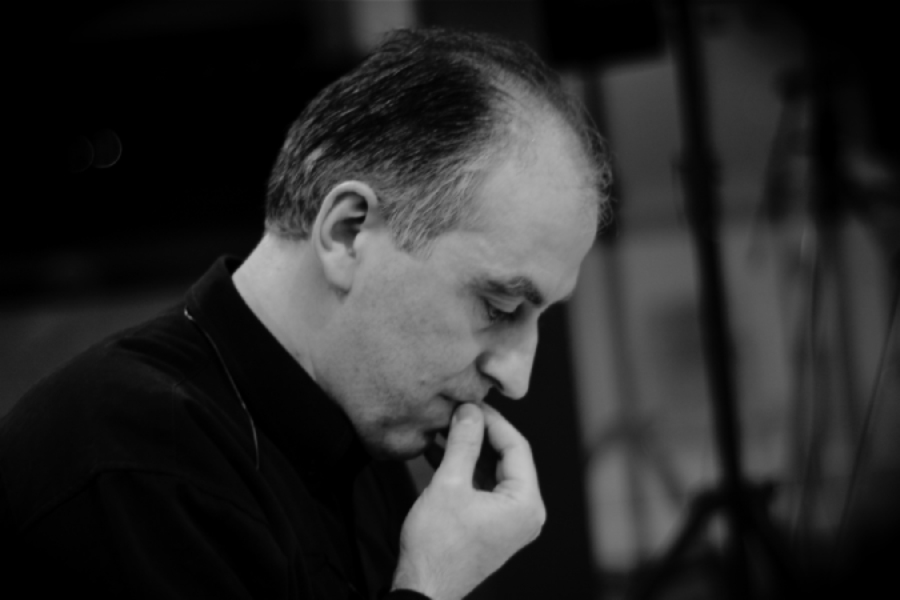
Aim: to source, coordinate, and provide human and textual resources for spoken-word or Ecopoetry elements of PAM/WAAS materials, events, and publicity, and ensure such resources are broadly in alignment with WAAS aims and goals.
Objectives:
1. Engage organisations/partners to apply Ecopoetry as a catalyst for insight, pro-environmental change & peace;
2. Engage organisations/partners to seek ways to enmesh artistic activity towards greater collaboration that drives mutual enrichment, transformation & ecological respect;
3. Enhance diverse word-based exchanges that foster a sense of oneness in difference, towards greater global unity and ecological respect;
4. To grow a stable of Ecopoetic and spoken-word excellence; to deploy when requested for PAM’s ongoing engagements with general audiences, schools/youth, the media, key influencers, and communities worldwide; and to act as main liaison and record-keeper for said stable;
5. Contribute to the Plan for the Planet by orchestrating high-impact Ecopoetry & spoken art participations and interventions that persuade/challenge/celebrate rather than blame or merely indict, in accordance with the principles upheld in the Manifesto for Planetary Arts;
6. Provide said resources in support of PAM projects and activities in corporate and other sectors.
Mario Petrucci (born in Lambeth, London) is a British-Italian poet, literary translator, educator, and broadcaster. Known for his pioneering work in science poetry and ecopoetry. Trained as a physicist at Cambridge, and later earned a PhD in crystal growth at University College London. He also studied and taught environmental science at Middlesex University before turning fully to literature.
He became the first poet-in-residence at both the Imperial War Museum and BBC Radio 3. His debut collection Shrapnel and Sheets (1996) won a Poetry Book Society Recommendation. Over his career, he has won more than 20 national and international poetry competitions, with themes ranging from love and loss to war and ecological issues.
Petrucci’s work extends into translation (including Hafez, Montale, Catullus, Sappho, Rumi, and Saadi) and film, notably Heavy Water and Half Life, which explore the Chernobyl disaster. He also created Tales from the Bridge in collaboration with Martyn Ware, a large-scale poetry soundscape for the London 2012 Cultural Olympiad, experienced by millions.
Beyond poetry, he has contributed to cross-disciplinary projects linking science, ecology, and the arts. He has delivered talks for organizations such as the British Council and the United Nations. His archive is held by the British Library, and his recordings are preserved in The Poetry Archive, cementing his role as a major voice in contemporary poetry and eco-literature.
mmpetrucci@hotmail.com
Aim: Weave alliances, initiatives, and gatherings from Pacific archipelagos to Indigenous homelands across the Americas, nurturing a visionary arts current that treats shared systems of place, infrastructure, and interconnected media as evolving communal canvases shaped by collective imagination and care.
Objectives:
1. Engaging organisations and partners who are using artistic practice to foster peace, cultural renewal, and healing, with special attention to Pacific Islands, Indigenous communities, and people with disabilities.
2. Working with groups that are experimenting with new forms of shared governance, cooperatives, and community infrastructures, and helping them see their work as a form of living art in which systems themselves become expressive media.
3. Co‑creating exchanges, residencies, and events that bring together indigenous knowledge, design science, spatial computing, accessible media, and AI to tell new stories about energy, climate, and community futures.
4. Linking local experiments and campaigns to the broader Planetary Arts constellation so that lessons, images, and methods can travel between places without erasing their cultural specificity.
5. Supporting youth and emerging artists as co‑authors of this work, and treating civic tools such as PACs and cooperatives as creative instruments that can be tuned toward greater participation, stewardship, and care.
6. Reaching out to aligned philanthropies, patrons, and innovators in technology to support projects that make advanced tools (AI, digital twins, mixed reality) available as instruments for community imagination and self‑representation.
Gordon Lee Fuller is an artist, futurist, design scientist, systems architect, and author whose work fuses imagination, civic purpose, and planetary responsibility. Guided by what he calls his “Future Sense,” he has spent five decades at the intersection of visual art, emerging technology, and community stewardship. As co-founder of Fullervision Design Science, he develops frameworks that treat the planet itself as a shared artwork in progress.
Fuller pioneered the world’s first digital twin cyber-physical cities of the metaverse, demonstrating that three-dimensional worlds, broadband networks, and real-time data can become navigable public spaces. His early work proved that immersive media could serve spatial justice, expand accessibility, and allow communities to rehearse and co-author their collective futures.
Across decades of entrepreneurship and systems design, he has shaped projects spanning community broadband, resilient communications, renewable energy, and human-centred smart city frameworks. He approaches infrastructure as a macrocommons — a shared field of resources designed for common prosperity rather than extraction — applying AI and networked tools to widen participation, strengthen local capacity, and honour culture.
Fuller is also a widely recognised author and inspirational speaker, known for translating complex systems into clear, compelling narratives that bridge policy, philosophy, and lived experience. His writing articulates an “age of awareness” in which energy, information, and value form one living continuum, calling humanity to act as future ancestors rather than short-term consumers of the planet.
Grounded in place-based responsibility and indigenous wisdom traditions — including kuleana, aloha ʻāina, and relational abundance — Fuller aligns advanced technology with cultural respect and intergenerational care. Through collaborations with the World Academy of Art and Science he contributes as both systems thinker and practicing artist, developing planetary civic artworks and narrative digital twins that make global risks and opportunities tangible to broad audiences.
fullervision@me.com
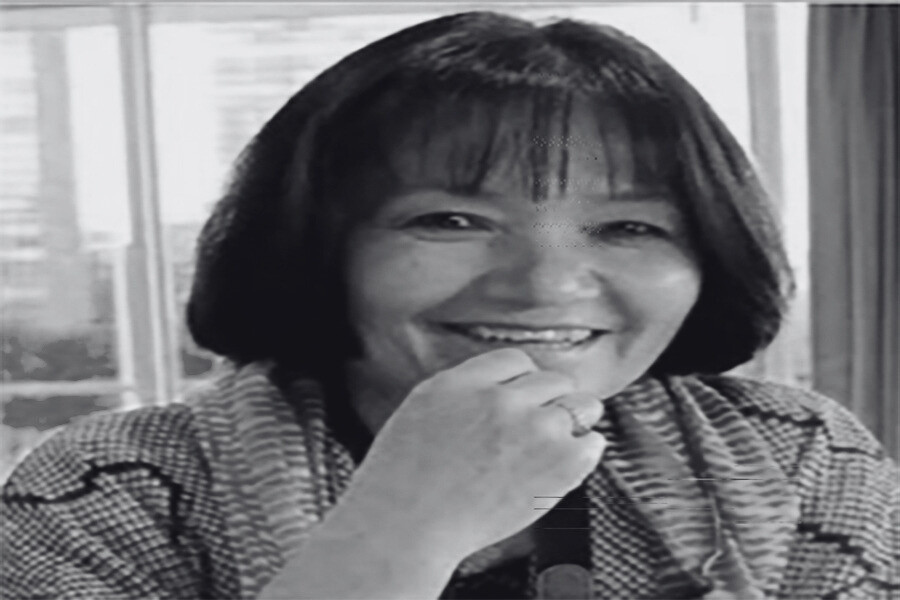
Aim: Coordinate related planetary arts partnerships, activities, and events to enhance a culture of peace.
Objectives:
1. Engage organisations and partners that apply the arts as a catalyst for peace.
2. Engage organisations and partners that work together on creating cultural transformation.
3. Enhance East-West cultural exchange and understanding through planetary arts activities and events.
4. Connect partner activities to related planetary arts events and apply AI and innovative technologies to enhance community engagement to create a culture of peace.
5. Contribute to advancing the Plan for Peace and youth leadership by enhancing the role of planetary arts in creating a culture for peace.
6. Active outreach to the corporate sector to mobilise resources that support the planetary arts movement, deliver projects and activities related to enhancing a culture of peace.
Fumiko Green is a Planetary Arts Network Coordinator advancing a culture of peace through intergenerational arts, cross-cultural dialogue, and governed cultural collaboration across Japan, the United States, and global partners.
For over three decades, she has built bridges between communities, educational institutions, civic organizations, and international networks. Her work integrates hands-on artistic engagement, historical memory, and cultural diplomacy to strengthen human security from the individual to planetary level.
She is a long-standing leader in the Kids Guernica Peace Mural Project (est. 1995), engaging children globally in collaborative mural creation inspired by Picasso’s Guernica, fostering early peace literacy and community resilience. She also coordinates the Dual Peace Violin Tours, featuring the Hiroshima Hibaku Violin and Violins of Hope, using music as a gateway to historical consciousness and reconciliation across cultures.
Her initiatives extend to kimono cultural preservation, youth STEM engagement (including nuclear workforce education), architectural sustainability internships, and AI-assisted cultural knowledge transfer—aligning with the Age of Culture (TAOC) and Horizon’s governance vision of culture as infrastructure.
Through collaboration with Rotary International, universities, cultural schools, and civic partners across Kakogawa, Bethlehem, Fujinomiya, Pittsburgh, and beyond, she strengthens East–West exchange and youth leadership.
Her work embodies the Plan for Peace principle: culture as a living system that connects individuals, communities, and nations toward planetary peace.
mikogreen@yahoo.com
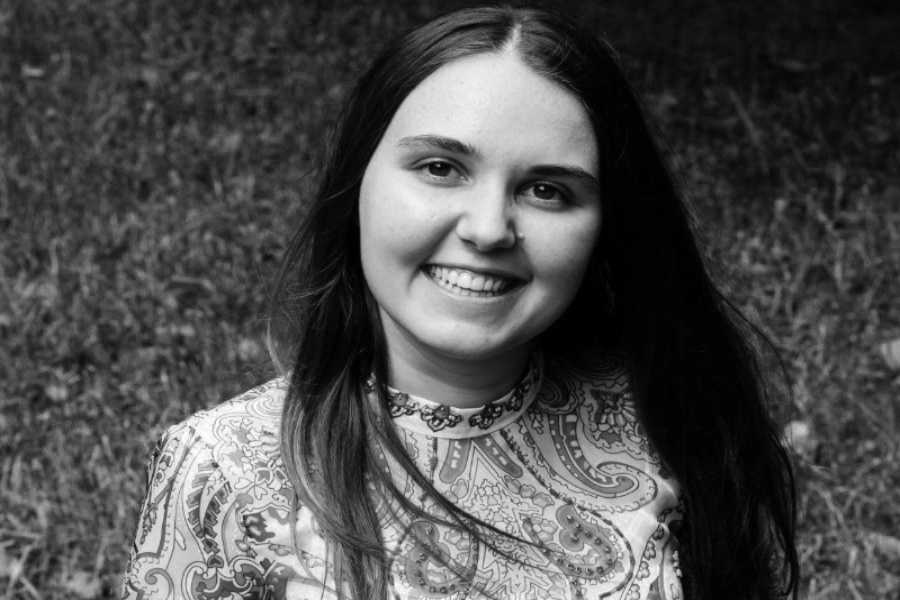
Aim: coordinate artistic behavioral-change initiatives aligned with planetary well-being within PAM, and integrate creative expression, community engagement, and cultural narratives to develop an intersectoral network of stakeholders interested in shifting ethics and norms towards stewardship and sustainability.
Objectives:
1. Establish a cross-sectoral network and database of organizations interested in SBC Arts.
2. Build a global professional network of companies producing artworks or conducting research on SBC Arts and related fields.
3. Facilitate stakeholders’ matchmaking, connecting governments, intergovernmental organizations, civil society groups, private enterprises, in particular, media production, and think tanks for providing social behavior change campaigns and creating policies.
4. Provide a collaborative environment to enable easy and effective communication among SBCA professionals, as well as interaction with representatives from other sectors.
5. Create both virtual and in-person spaces for sharing research findings on arts and ethics, behavior change, communications philosophy, and sustainability.
6. Organize thematic events aimed at implementing SBCA projects on a planetary scale and exploring the role of art as a catalyst for social change.
Alena Maslova is an international media producer, ethicist, language philosopher, art researcher, and active co-author and supporter of the concept of Sustainability and Well-Being Arts. Graduated with honors from Lomonosov Moscow State University and Kingston International College in Singapore.
In 2022, Alena founded a Sustainability Arts think tank and production company, “Dobrosphera,” which produces research-based films, cartoons, songs, translations, and poems on the well-being of humans and nature to provide social behavior change communications worldwide. At the intergovernmental level, Alena has been highlighting the “art as a social change tool” agenda.
Alena is the speaker of COP28 and the organizer of side events on arts for COP29, COP16 Colombia, COP30, and SB64, co-authored by Nobel Prize laureate Alexey Kokorin and Svet Zabelin, a Goldman Prize winner. In 2023, Alena became a winner of the UN Women EXPO prize as an entrepreneur and of the UNDP media contest “How can Kyrgyzstan achieve carbon neutrality by 2050?”
The Social Behaviour Change Arts framework, developed by Alena at Dobrosphera, combines therapeutic hypnosis with effective communication strategies and an orientation to kindness, human and nature rights, and respectfulness. Nowadays, 76 pilot research-based behaviour change art projects in 49 countries have been launched, bringing both impact and international teams’ cooperation.
writetokindmedia@gmail.com
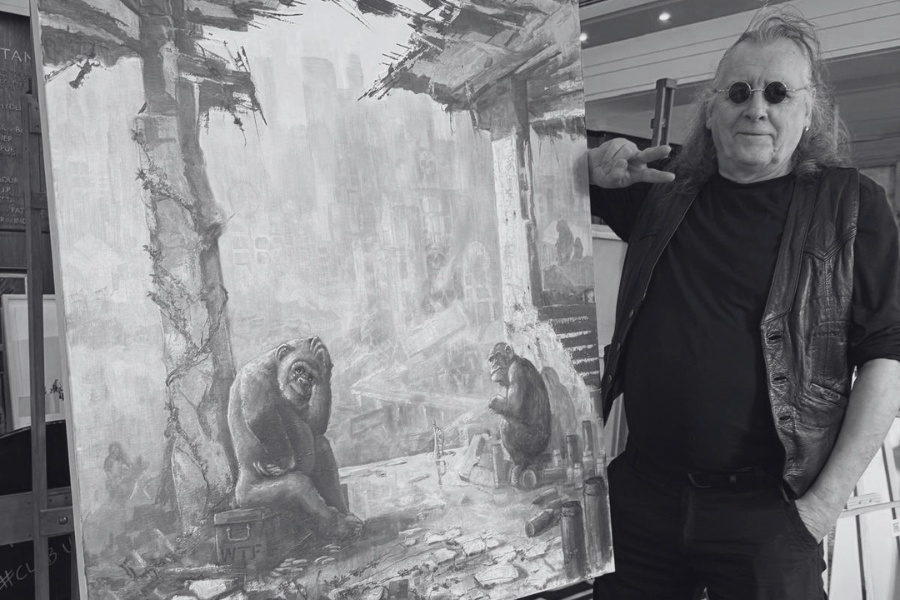
Aim: To bring together street artists to create meaningful and empowering art projects, helping to transform public spaces and give a powerful voice to marginalised communities.
Objectives:
1. Foster international networking amongst street artists through collaborative ventures such as street art events and festivals, shared spaces and studios, cross-disciplinary partnerships, and digital platforms.
2. Promote street art as a global tool for activism because of the visible, accessible, and memorializing way it can change urban environments into canvases for social and political commentary.
3. Advocate for street art as a means to enhance community identity and narrative ownership, social cohesion, and aesthetic revitalization.
4. Democratise art through street art by breaking down traditional barriers, removing gatekeepers, and increasing societal participation.
5. Provide mentoring and guidance to emerging street artists in regard to technique and style, legal and ethical considerations, and engaging with organizations and communities.
For over half a century, Andy has worked in various artistic disciplines, from photography for London’s Vogue in the 1970s to contributing to Bristol’s vibrant street art movement in the 1980s. After stepping away to live in Europe to overcome addiction, Andy has returned to the UK and re-established himself as a central figure in Bristol’s art scene, including using his lived experience to guide other addicts toward recovery through art-based programs.
As a prolific British painter and muralist whose visceral, technical mastery is forged from a life of profound upheaval and creative resilience, he emerged from the Bristol punk scene of the 1980s. Colwill pioneered a singular “soak-stain” technique—developing a method akin to those of masters like Helen Frankenthaler—by using untreated canvas, curtain linings, and household paints to achieve a raw, startling precision.
A former scenic artist for the BBC and theater backdrops, he is known for grand-scale ambition, notably his 1988 solo exhibition at Ashton Court Mansion, which drew over 1,000 visitors. Now supported by a dedicated global following of collectors, his work serves as a powerful intersection of fine detail and grit, documenting a life of “self-belief” shaped by the streets of Bristol and the landscapes of the Mediterranean.
andisart@live.co.uk

Aim: To establish and coordinate a thematic Planetary Arts Network that advances art as a cognitive, relational, and systemic interface — integrating Meta-Neuro Art and Neuro-Diplomatic Art Systems (NDMA) — to foster planetary awareness, human alignment, and transformative interdisciplinary collaboration across artistic, scientific, and technological domains.
Objectives:
1. To engage organisations, researchers, artists, and institutions in developing art-based frameworks that function as systems for cognitive regulation, perceptual transformation, and relational alignment across cultures and disciplines.
2. To advance the integration of Meta-Neuro Art methodologies, enabling artistic practice to operate as a translator of complexity into perceptual and experiential forms that connect scientific data with lived human awareness.
3. To design and develop interdisciplinary environments in which art, artificial intelligence, and neuroscience converge as structured systems, with AI functioning as a human-in-the-loop analytical tool supporting adaptive cognition, relational awareness, and global dialogue.
4. To develop and implement Neuro-Diplomatic Art Systems (NDMA) as a methodological and applied framework, enabling scalable models for cultural diplomacy and coherent, ethically grounded interaction between human consciousness, technological systems, and planetary processes.
5. To facilitate collaborative ecosystems — including laboratories and creative initiatives — that generate measurable cognitive, cultural, and social impact through closed-loop adaptive systems, translating conceptual frameworks into lived experiences, public programmes, and artistic interventions.
6. To serve as a bridge between knowledge systems — connecting scientific data, indigenous wisdom, artistic intuition, and policy frameworks — to support integrative Planetary Arts approaches grounded in Earth observation systems, environmental data infrastructures, and other planetary sensing systems.
7. To support youth and emerging artists as active contributors and co-creators within this evolving field, integrating art, science, education, and global dialogue into accessible and transformative learning experiences.
8. To contribute to the Plan for the Planet by demonstrating how artist-directed, human-centered artistic practices — supported by AI as an analytical and translational instrument — can foster planetary coherence, ethical awareness, and peace.
Natalia Rojcovscaia-Tumaha stands as a formidable figure in the contemporary landscape of art and science, operating at the intersection of composition, art-ecology, and cultural diplomacy. As a Fellow of the World Academy of Art and Science (WAAS) and the visionary leader behind αRTivellux, she has pioneered the concept of planetary-scale artistic systems that function as cognitive interfaces for global dialogue. Her work is not merely creative but deeply academic and systemic, evidenced by her leadership in the WAAS X-EXIST initiative and her role as President of the Culture & Art Creators Guild. By bridging the gap between high-level institutional frameworks and grassroots artistic expression, she has established a unique position as a cultural diplomat who utilizes the arts to address complex, planetary-scale challenges.
Her compositional philosophy extends far beyond traditional musicology, treating the creative process as the construction of living, symbiotic ecosystems. Rojcovscaia-Tumaha has developed groundbreaking methodologies such as the ArtWay Method and Meta-Neuro Art, which synthesize digital media with neuroaesthetics, artificial intelligence, and complex systems theory. These frameworks explore the profound relationships between neural plasticity and multisensory integration, aiming to foster global empathy and ethical reflection through artistic immersion. Projects like the ART Imaginarium and Cross-Art Microfilm exemplify this approach, transforming abstract scientific inquiry into resonant, participatory experiences that have gained significant traction within the international academic and creative communities.
The global impact of her work is reflected in a sprawling network of collaborations and institutional partnerships spanning nearly every continent. From developing microfilms at Florida State University to aligning with The Jena Declaration alongside UNESCO and the Club of Rome, her reach is both geographically and intellectually vast. Her commitment to social impact is particularly evident in the “Children’s Voices Matter!” movement, a civic initiative that leverages humanitarian and educational networks to support youth in conflict zones. This blending of artistic mastery with civic activism underscores her belief that creative intelligence must be harnessed for tangible social good and the advancement of human rights on a global stage.
Rojcovscaia-Tumaha’s career is distinguished by a litany of prestigious accolades and a robust presence in international media and academia. Recognized with honors such as the “Woman of the New Renaissance” and awards from the Ministry of Culture of Moldova and the Robert Avalon International Competition, she is celebrated as a transformative force in contemporary art. Her influence is further amplified through extensive public dissemination on platforms ranging from MIT-affiliated radio to major European broadcasting networks. Ultimately, her multidisciplinary practice—integrating the rigors of scientific research with the emotive power of music and visual media—establishes her as a leading architect of a new, ethical, and interconnected cultural paradigm for the 21st century.
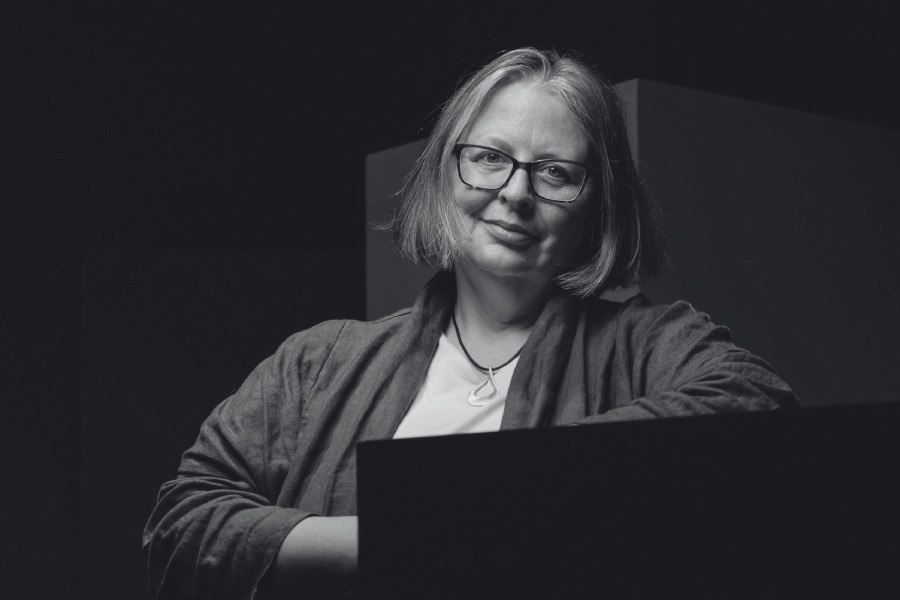
Aim: To coordinate and support a pan-African network of artists, cultural practitioners, researchers, and partners working with visual and lens-based practices as forms of storytelling, knowledge creation, and social engagement. The Network Coordinator acts as an ethically and context aware mentor, connector and convenor – supporting collaboration, exchange and equitable participation rather than directing activity from a central authority.
Objectives:
1. To identify, connect, and support artists and cultural organisations across the African continent working with photography and lens-based practices, with a focus on ethical and indigenous authorship, local narratives, and culturally grounded storytelling.
2. To support and develop new exhibitions, festivals, and public programmes that foreground visual narratives across the African continent and encourage dialogue, reflection, and audience engagement locally and internationally.
3. To encourage artists and organisations to engage visual practice as a means to explore histories and futures, cultural identity, and lived experience, contributing to and intervening in broader conversations often still shaped by historical and ongoing structural inequalities.
4. To foster sustained collaborations between artists, institutions, and communities across the continent and internationally, strengthen creative infrastructure, and enable South-South and South-North knowledge exchange through creative practice.
5. To support the documentation and exchange of artistic processes, methodologies, and outputs contributing to the long-term development of a sustainable archive of African artistic practice and visual culture.
6. To contribute to the development of methodologies that support artists and cultural practitioners in reshaping how images in and about Africa are produced, shared, and understood on the continent and globally, fostering more equitable and locally driven image-making practices.
Kerstin Hacker is a photographer, practice-based researcher, and academic based in Cambridge, UK, known for her distinctive approach to visual storytelling and long-term collaborative research. Her work challenges established documentary conventions, engaging critically with how African visual narratives are produced and circulated, and supporting more equitable, locally grounded forms of representation.
Her research focuses on enabling emerging photographers – particularly in Zambia – to develop their own visual languages and narratives. Through collaborative, practice-led methodologies, she foregrounds processes of “un-learning” that address the enduring influence of colonial histories, social hierarchies, and economic structures in photographic practice.
Educated at FAMU (Academy of Performing Arts, Prague), she holds a BA (1993) and MA (1995) in photography. She later completed a practice-based PhD, Shooting in Zambia: (Re)negotiating Zambia’s Colonial Library Through Photographic Practice, establishing a research approach that integrates artistic practice with critical inquiry to rethink photographic representation.
Her work has been recognised through international awards and fellowships, including Female Photojournalist of the Year in Germany (1993) and the Alexia Foundation Award (1995). She has received support for her collaborative research through initiatives such as the British Council Education Partnership in Africa (2009–2012), the Affect and Colonialism WebLab Fellowship at Freie Universität Berlin (2021), and the Cambridge Visual Cultures Fellowship (2023-2024), working closely with photographers and curators from Zambia.
Prior to her academic career, Kerstin Hacker worked as a photojournalist for publications including The Guardian and The Daily Telegraph, as well as with organisations such as Sight Savers International, Comic Relief, and Save the Children, developing an ethical, human-centred documentary practice.
Since 2008, she has taught undergraduate and postgraduate photography at Cambridge School of Art, Anglia Ruskin University, supporting the development of critically engaged practitioners. She is co-founder and strategic lead of Stories of Kalingalinga and the Bakashimika International Photography Festival, both initiatives that support emerging African photographers and contribute to building a sustainable, connected infrastructure for visual storytelling across the continent and beyond.
kerstinhacker14@gmail.com
Websites: kerstinhacker.org
bakashimika.com
Aim: To coordinate and support a global network of artists, practitioners, and communities utilizing authentic artistic expression as a universal tool for self-healing, transformation, and conscious empowerment. The Network Coordinator, Dr. Jana Nirvana, serves as a mentor and “Curator of Souls,” bridging scientific research, ancient wisdom, and lived creative practice to foster a living field of solidarity rather than a centralized authority.
Objectives:
1. To establish and grow an international community of artists and cultural practitioners working at the intersection of art and human transformation, utilizing the book Souls United in Art as a foundational testament to creativity’s power to unite diverse cultures and lived experiences.
2. To launch and sustain a global storytelling platform via the Art Heals podcast, sharing first-person narratives that center on transcultural perspectives and illuminate the universal journey from personal struggle to creative wisdom.
3. To expand the vision of the Souls United in Art book into an ongoing documentary series, capturing unfiltered, 10-minute artist portraits from every continent and offering an honest, visually compelling archive of the creative process as a vehicle for transformation.
4. To foster radical inspiration and accessibility by hosting artist stories on a dedicated digital platform (soulsunitedinart.com), connecting featured creators to a global audience, and reinforcing the belief that transformation is within reach for everyone.
5. To develop participatory educational initiatives and workshops—including painting, meditation, singing, and movement—that invite individuals of all backgrounds to experience art as a practical tool for resilience and self-discovery.
6. To nurture the creative courage of the next generation by integrating children into the heart of the network’s educational work, providing environments where imagination and emotional expression are protected and encouraged.
7. To bridge the gap between science and spirit by integrating research from arts therapy, psychology, and consciousness studies with global wisdom traditions, providing a practically grounded framework for human flourishing in times of global change.
Dr. Jana Nirvana is an artist, historian, and curator of consciousness based in Hannover, Germany, known for her transformative approach to visual and spiritual expression. Her work positions art not merely as a decorative object, but as a “living instrument of consciousness” and a technology for quantum healing, challenging traditional separations between artistic practice, academic inquiry, and personal transformation.
Her research and practice focus on enabling individuals to access higher vibrational states through the intersection of intellect and intuition. Through a methodology she calls “Quantum Healing,” she foregrounds the creative process as a portal for self-mastery, allowing participants to dissolve inherited illusions and subconscious barriers. This approach integrates spiritual teachings with contemporary art to rethink how identity and reality are perceived.
Educated in history and the arts, she holds a Ph.D History from Leibniz University Hannover (2020), along with an M.A. in Literature and Linguistics. Her academic background provides a rigorous foundation for her creative exploration, which underwent a decisive evolution during the 2020 global pandemic. This “global rupture” catalyzed her transition from academia to a full-time artistic vocation dedicated to creating spaces of light and restoration.
Her work has gained international recognition through exhibitions in major global hubs, including London, New York, Berlin, Dubai, and Zurich. She has collaborated with global thought leaders, including Marie Diamond, and has been featured on German television for her insights into the transformative power of creativity. Her contributions to the field include co-authoring the book Global Conscious Entrepreneurs 2, where she details her unique methods of energy work.
Prior to her current practice, she conducted research and teaching projects across Europe, grounding her later work in a transcultural perspective. This background in historical research and cross-cultural lived experience informs her current mission to support an energetic transition toward collective healing.
She is the initiator and curator of Souls United in Art (SUIA), a global movement and anthology project that brings together artists from across the world to document their personal transformations through creativity. Through this initiative and her supervised painting sessions, she helps build a sustainable, global infrastructure for spiritual and artistic growth, shifting how we understand art and leadership in the 21st century.
info@jananirvana.com