HIGHLIGHT VIDEO
Addressing Global Turbulence
Baku, Azerbaijan · 15 March 2026 · 10:30 am – 6:00 pm
Global Leaders in Baku: The World Is Running Out of Time
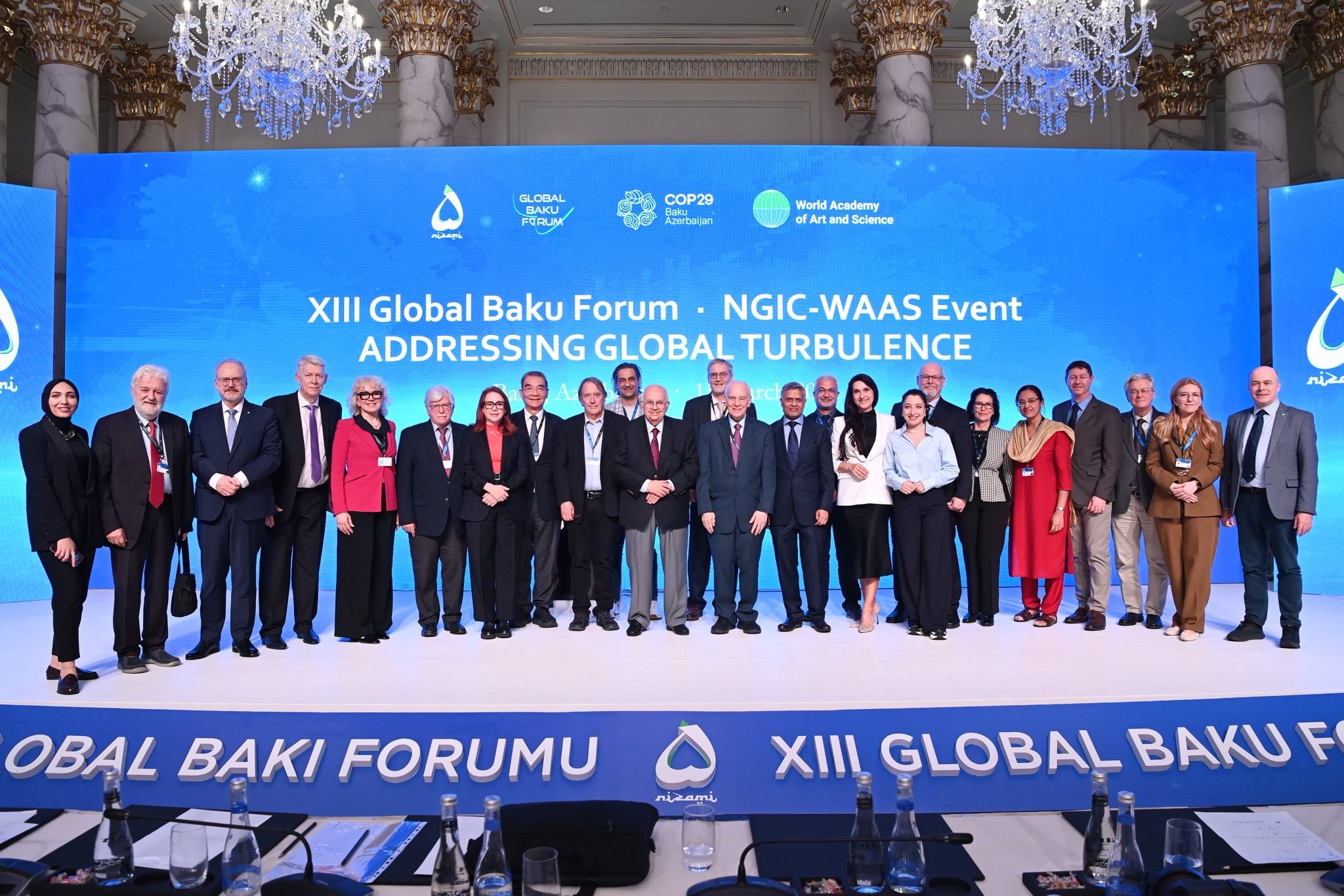
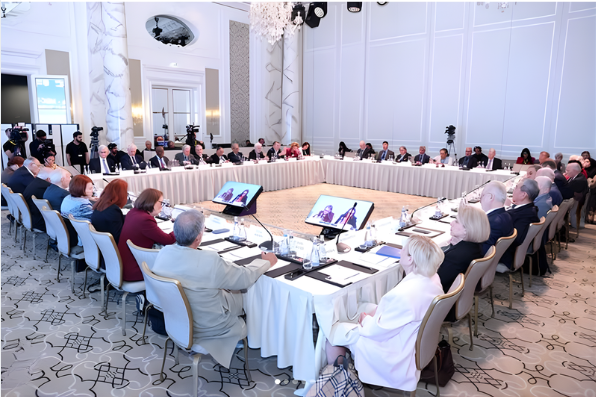
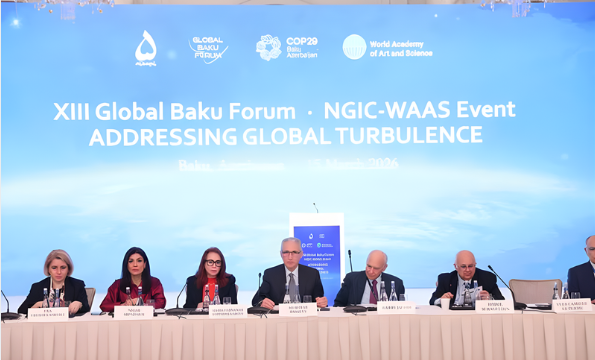
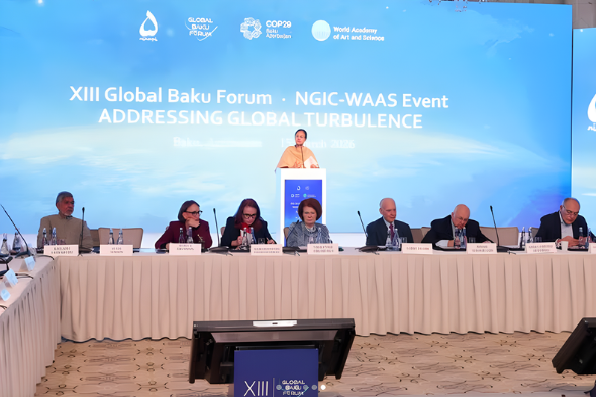
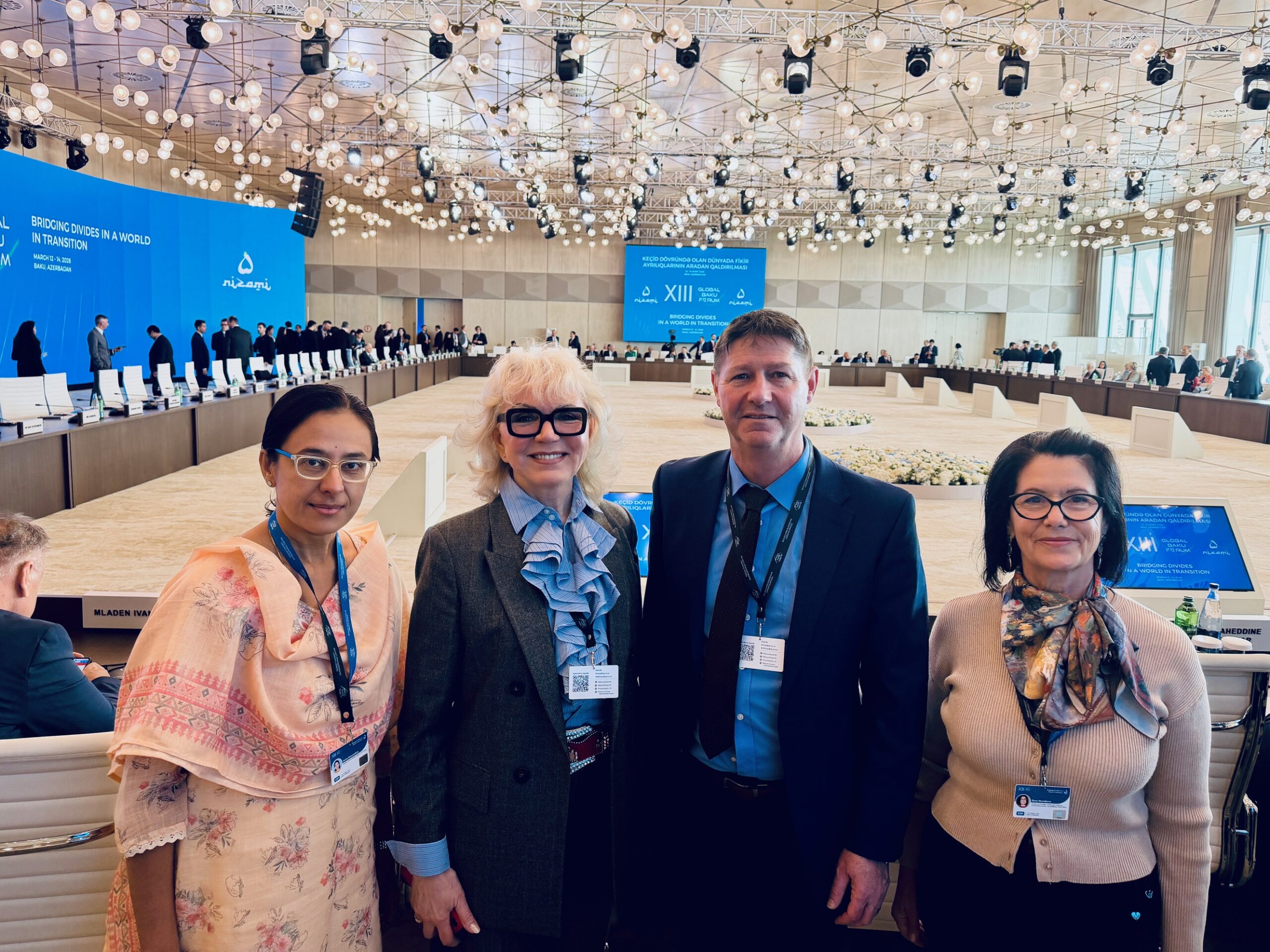
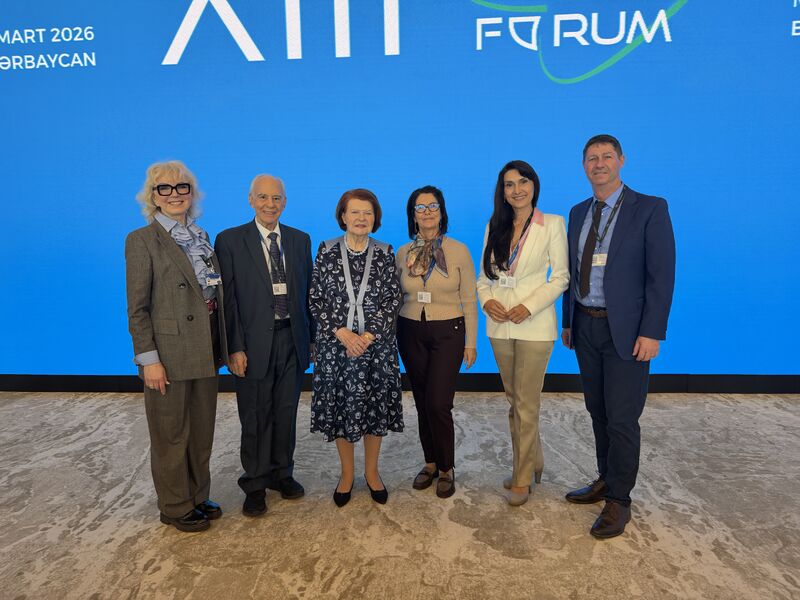
At the XIII Global Baku Forum in Azerbaijan on 15 March, 2026, former presidents and prime ministers from a dozen nations joined WAAS Fellows, UN leaders, World Bank veterans and senior policy thinkers for a closed, day-long reckoning with what organizers called a world in metacrisis — multiple civilizational stresses hitting simultaneously, with no adequate institutional response in sight.
The special session was organized by the organizers of the Global Baku Forum — Nizami Ganjavi International Center (NGIC) — in partnership with WAAS. It was a follow-up event to the 2025 discussion on Global Turbulence at the XII Baku Forum, and focused on the development of solutions at six sessions that covered themes such as, “Understanding the Moment,” “War and Conflict,” “Technology and Sovereignty,” “Climate Change & Global Water Systems,” “Human Security” and “Implications for Leadership.”
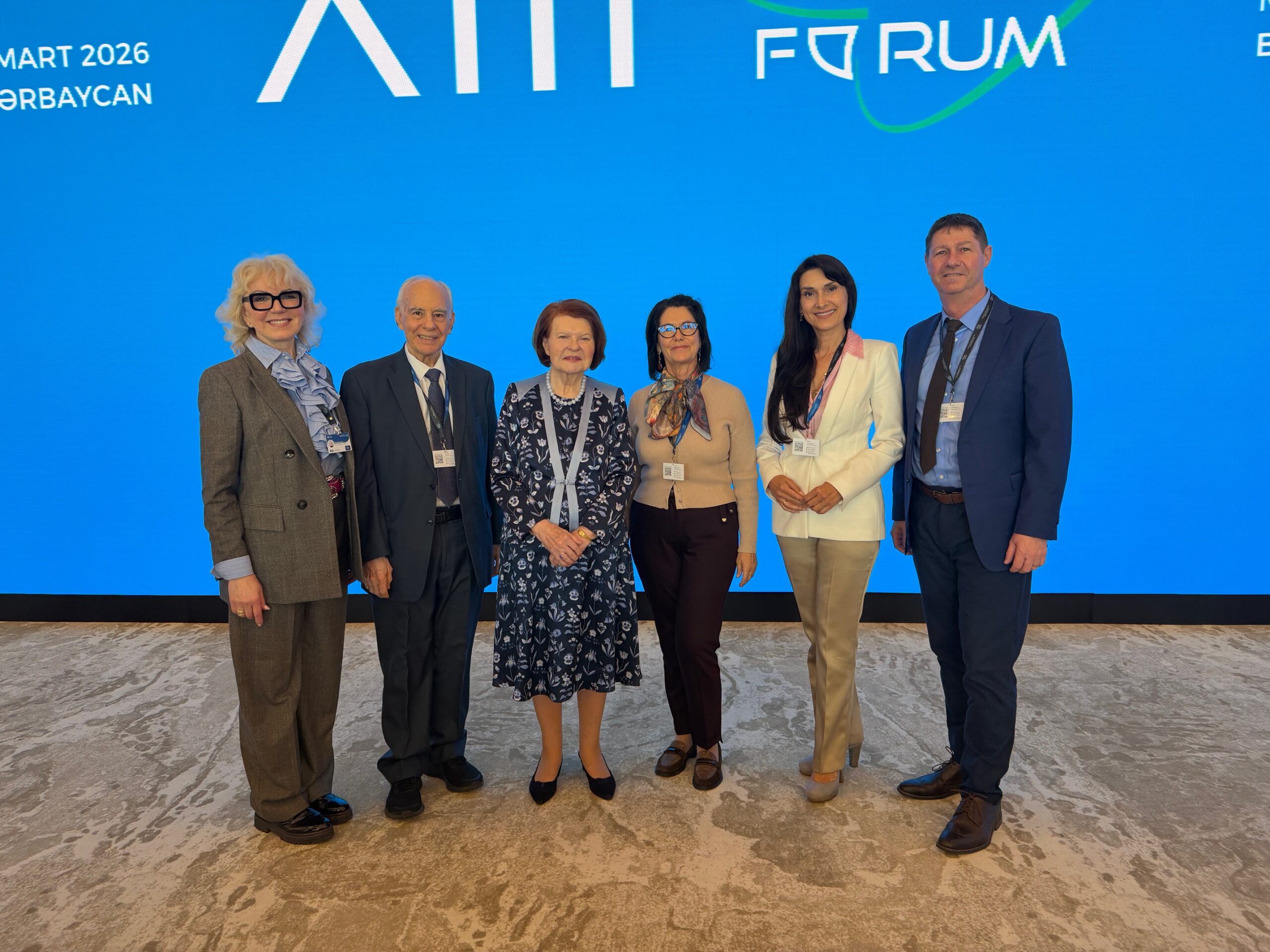
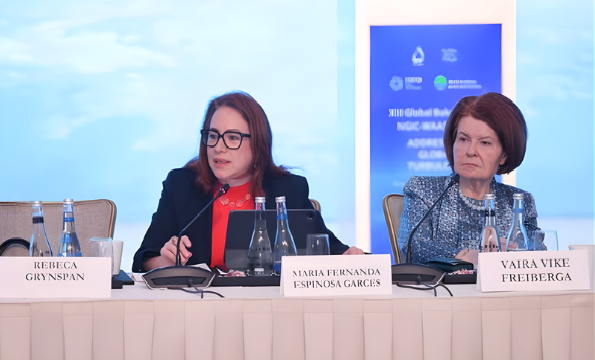
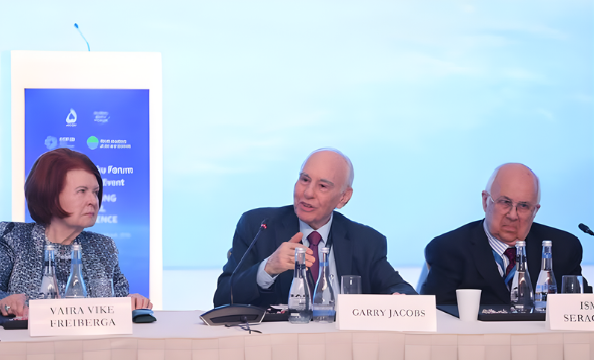
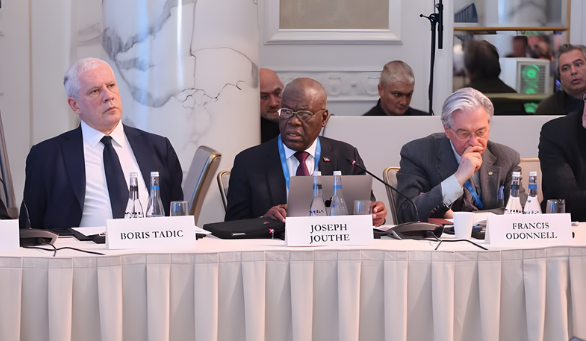
WAAS Secretary General Janani Ramanathan opened the session by tracing the decade long beneficial collaboration between the World Academy and Nizami Ganjavi International Center. Vaira Vīķe-Freiberga, co-chair of NGIC, former Latvian President and WAAS Fellow, examined turbulence was a feature of rapid change and calling for a more human approach grounded in compassion. Rebeca Grynspan, Secretary-General of UNCTAD sett the scene with a call for the United Nations to be respected as the world’s anchor of peace and the provider of the “off ramp” for the world’s conflicts. WAAS President Garry Jacobs, followed by WAAS Fellows Frank O’Donnell, Stefan Brunnhuber and Janani Ramanthan framed today’s turbulence as the stress, resistance and structural crisis generated by a dramatically accelerated process of global social change and the need for radical systems.
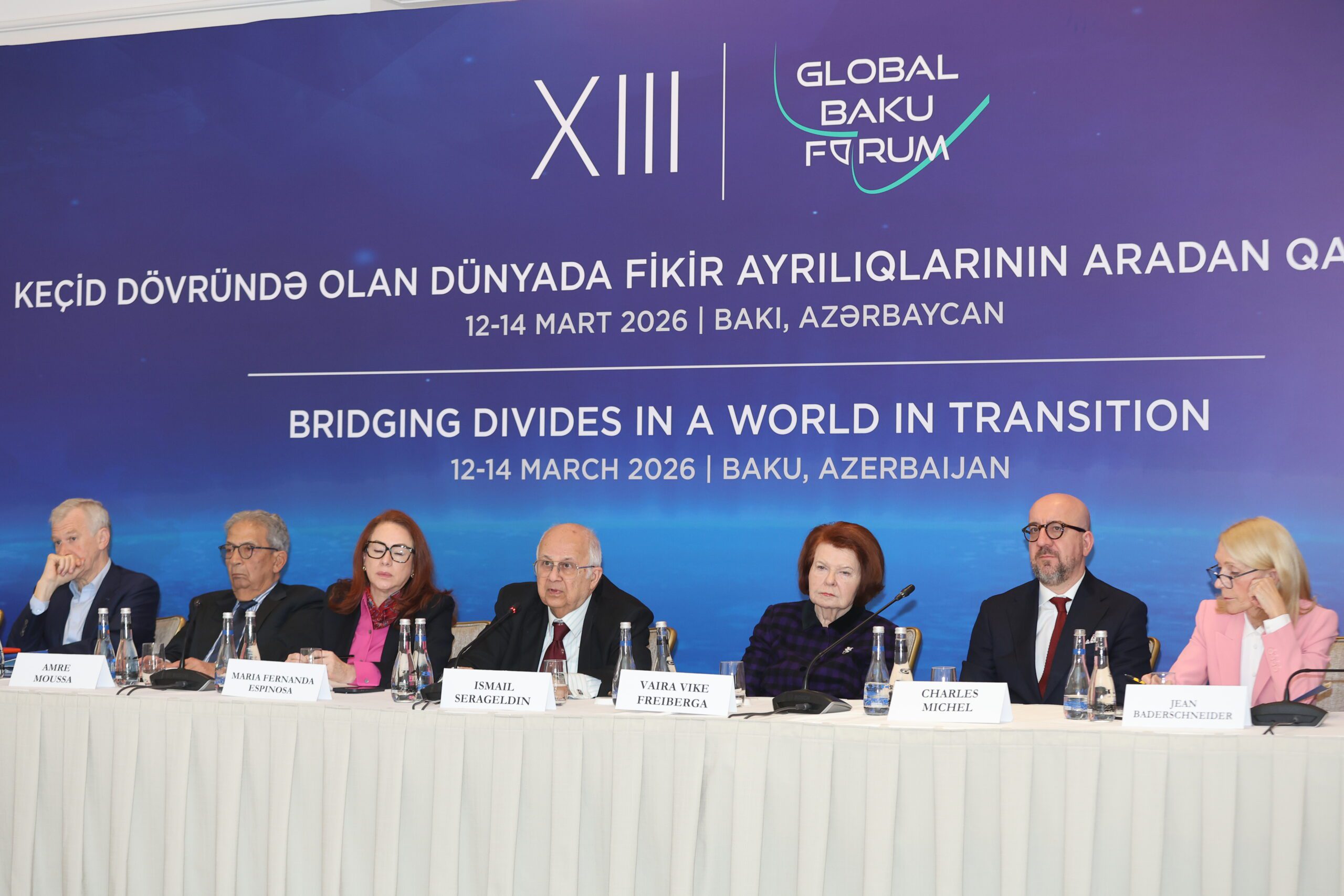
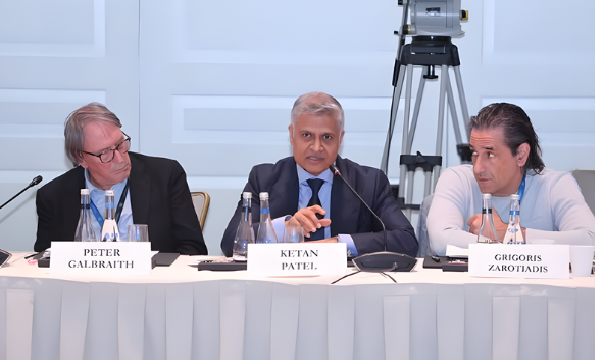
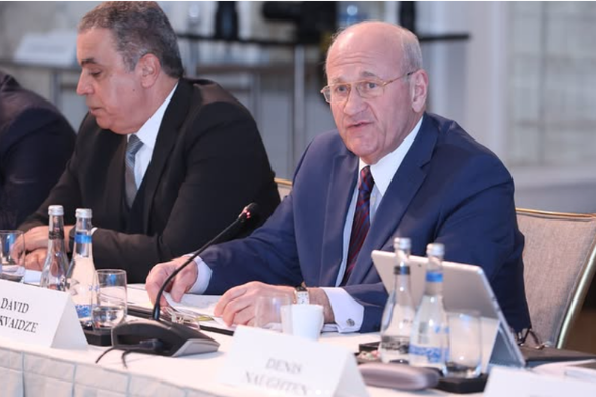
The war and conflict session, moderated by Ismail Serageldin, former World Bank VP and WAAS Fellow, produced the starkest verdict: the world has reverted to an early 20th-century moment – before multilateral norms held – where conflict and foreign policy once again recognise no boundaries. The widening Middle East war, now drawing the US into direct confrontation with Iran, was cited as exhibit one. Former UNOG Chief de Cabinet David Chikvaidze, former Arab League chief Amre Moussa and former Belgian PM Yves Leterme, were among the panelists. Peter Galbraith, former US ambassador to Croatia, pointed to the critical importance of understanding cultures and political systems abroad in avoid miscalculations in wars that claim to foster peace.
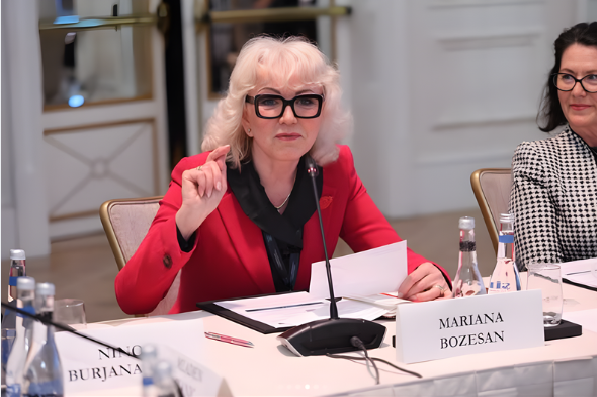
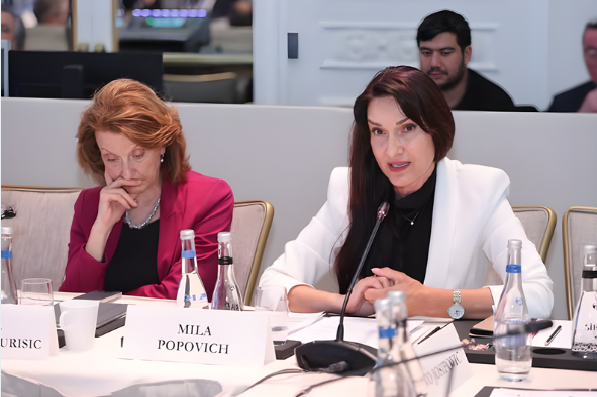
In an intense session on technology and sovereignty, Ketan Patel, WAAS executive director and chair of Force for Good, warned that humanity has entered an age of cognitive empires – the mind itself being colonised as geopolitical power shifts from physical territory to subtly occupying the minds of people across the world. Panellists included former President of Croatia Ivo Josipovic, former Minister of Defence of Montenegro Milica Pejanovic-Durisic, Club of Rome member and impact investor Mariana Bozesan, and WAAS Fellows Elena Mustakova and Mila Popovich, argued for measures to protect sovereignty and use science to drive progress for all.
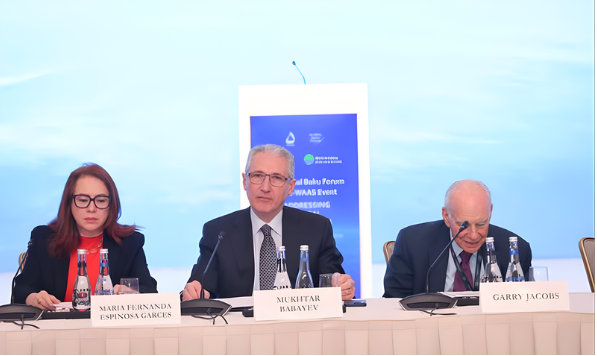
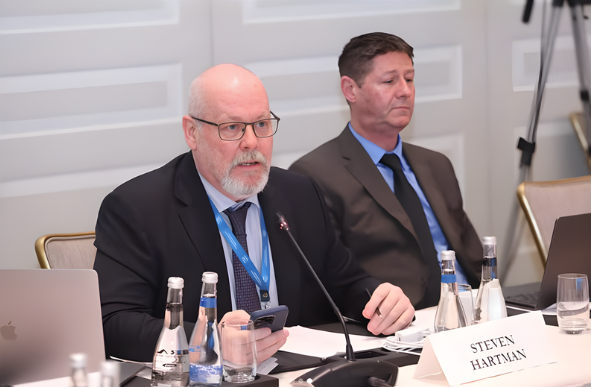
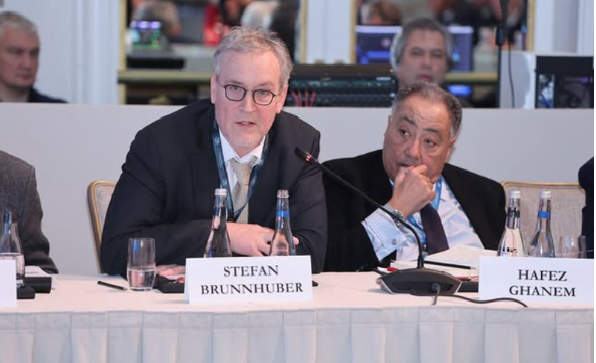
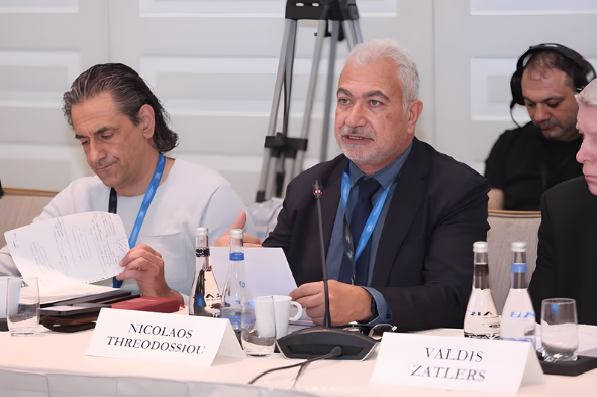
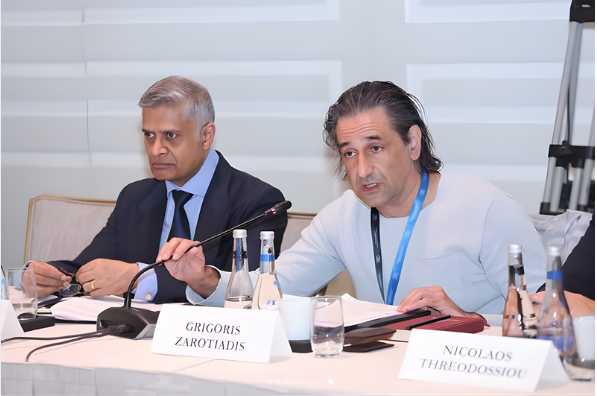
A climate session, held in partnership with the COP29 Presidency and chaired by Nicolaos Theodossiou, examined water security and sea-level variability, along with Azerbaijan’s climate envoy Mukhtar Babayev, COP29 champion Nigar Arpadarai and WAAS Fellow Grigoris Zarotiadis. Hafez Ghanem, former Regional VP of World Bank, then moderated a human security session arguing for a bottom-up reframing of the turbulence agenda around ordinary people’s lived experience. Panellists included economist and Peking University Dean Lin Yifu, former Czech Prime Minister Jan Fischer, UNESCO-MOST BRIDGES Programme Executive Director Steven Hartman and WAAS General Manager Grant Schreiber.
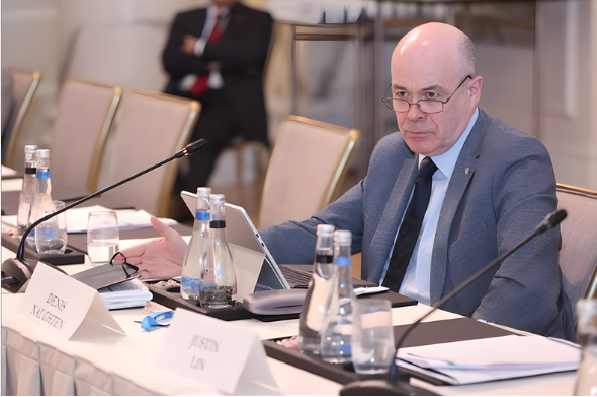
Former UN General Assembly President María Fernanda Espinosa, former President of Latvia Valdis Zatlers, former Minister from Ireland Dennis Naughton and Walter Furst examined the kind of leaders, institutions and modes of thinking needed to understand and address today’s challenges. Ketal Patel concluded the program by framing turbulence as a central feature of civilizational shift – and stressed that the only path through it, without the world wars and mass turmoil that marked previous such transitions, is a fundamental raising of human consciousness.
Concept Note for Nizami Ganjavi International Center (NGIC) — WAAS Side Event at GBF2026
The sources of global turbulence were examined and debated during a series of conferences in 2025 beginning with a side event at GBF2025 organized by WAAS, NGIC and F4G, a WAAS-ASU one-day meeting, and a four-day WAAS@65 conference in partnership with NGIC, F4G, UNESCO-MOST Bridges, AE4RIA, ASU, COR, GPOC, EASA, EXTRA, SDSN, BSUN, GSI, GPEN, IACP, WUC and Millennium Project.
Following up on the examination of the sources of turbulence, the GBF2026 side event will focus on the development of solutions under three interdependent themes: Peace, Prosperity, Freedom and Human Security, and four essential issues. Each issue will seek to develop solutions identified during the events of 2025. The side event will be divided into four 50-minute sessions.
Theme I: Peace
1. Promoting Global Leadership: The unprecedented speed and increasing complexity of global social transition exceeds the understanding, policies and expertise of prevailing theory and strategy in academia and government at the local, national and global levels. This session will explore the questions: What do today’s leaders need to better understand the highly complex factors generating global turbulence and the strategies needed to enable leaders to cope with the bewildering array of interconnected challenges confronting nation-states and people of the world? What type of leadership education do we need to prepare future leaders? This session will be of great relevance to former national leaders who can reflect on the misconceptions and errors now being committed by current world leaders.
Theme II: Prosperity
Focusing specifically on strategies to promote global security, sustainable development, economic transformation. Solutions for discussion:
2. Financing human security and sustainable development: Global wealth totals nearly US$700 trillion. This session will explore strategies to mobilize far greater capital for climate change management, essential infrastructure, healthcare, education, digital connectivity, affordable housing, food systems and financial inclusion, as well as accelerated application of catalytic technologies, reform of the global financial system, and systemic change of capitalism into a change agent to meet the world’s needs, based on research published in the Force for Good Report The World Investment Plan: Building the Transition to a Secure, Sustainable and Superior Future. This session will promote awareness of the choices available to direct a much larger portion of global capital to meet urgent needs.
3. Global Solutions to Raise the World’s Platform, the UN SDGs: Technology is now a defining driver of global progress and turbulence. UNTFHS, WAAS, F4G & the Consumer Technology Association partnership under the UN Human Security for All (HS4A) program has reframed technology as the eighth dimension of human security. Research demonstrates innovation can be closely aligned with peace, inclusion & sustainability and that exponential technological power can promote human values, ethics, wellbeing and sustainability for the whole world. Solutions are now available to transform the Sustainable Development crisis into opportunity. This session will examine nine transformative, scalable solution areas that together could advance nearly 90% of global SDG targets, if deployed worldwide. Based on research published in the F4G Report Technology as a Force for Good released and presented at CES2025.
Theme III: Freedom & Human Security
4. Threats and Opportunities in the Age of AI: The Power of Cognitive Systems and the Potential of Symbiotic Systems:Managing the civilizational shift posed by AI will determine whether AI becomes humanity’s greatest tool or its greatest risk as the world shifts towards a more secure, sustainable and superior future for all. New technologies are concentrating power and value into a new form of digital colonialism that controls people by the shaping and control of information, attention, and human behavior leading to a cognitive and technological battle for supremacy among nation states. A research paper now in press “Rising Age of Cognitive Empires: Colonizing the Mind” by Ketan Patel.
Used correctly, AI can also significantly enhance human intelligence, rationality, decision-making and education by generating transdisciplinary perspectives, identifying intellectual biases, promoting rationality, improving decision-making, and placing affordable, world-class higher education at the fingertips of all human beings who seek it.
Addressing Global Turbulence
Baku, Azerbaijan · 15 March 2026
FINAL
Why Global Turbulence, And Why Now?
For the first time in decades, multiple civilisational stresses are hitting simultaneously. The post-war international order is fracturing. Conflicts have spread and augur a new era of territorial rivalry. Technology has become a tool of war and progress, and its development is outpacing governance. Climate disruption has moved from future risk to present reality. Human security is deteriorating across both the Global North and South leading to extreme politics and social unrest.
Polycrisis has transformed into metacrisis. Leaders are being asked to respond to interconnected, fast-moving challenges with frameworks and institutions designed for a simpler, slower and more stable era.
The urgency is that the acceleration of rising turbulence if unaddressed raises the prospect of global conflict and crises without boundaries. This day is designed to search for the deep insights, foresights and course of action that can make a difference.
The Day at a Glance
10:30 – 11:00 Opening Session
Venue: Four Seasons Hotel / Seygah Ballroom A
- Janani Ramanthan, Secretary General, World Academy of Art & Science
- Vaira Viķe-Freiberga, Co-Chair, NGIC; President of Latvia 1999–2007; Fellow, WAAS
- Garry Jacobs, President & CEO, World Academy of Art and Science
- Rebeca Grynspan, Secretary-General, UN Trade and Development
- Representative from Azerbaijan
11:00 – 12:00 Session 1: Global Turbulence – Understanding the Moment
The unprecedented speed and complexity of global social transition are outpacing the understanding of leaders, policymakers, strategists and academic theorists. This opening session examines the underlying forces driving turbulence — progressive developments accelerating rapid change alongside forces that resist global social evolution or seek to revert to earlier power structures. The discussion will explore political, economic, social, technological, cultural and psychological factors at national and international levels, establishing a shared conceptual frame for the day.
- Garry Jacobs, President & CEO, World Academy of Art and Science
- Boris Tadic, President of Serbia 2004–2012
- Volkan Bozkir, President of the 75th Session of the UN General Assembly; Minister of European Union Affairs of Türkiye 2015–2016
- Joseph Jouthe, Prime Minister of Haiti 2020–2021
- Frank O’Donnell, Co-founder, Peace Reflection Group; Life Member, Institute of International and European Affairs (Ireland); SMOM Ambassador to Slovakia 2009–2013; UN Resident Coordinator in multiple countries 2000–2009; Fellow, WAAS
- Janani Ramanathan, Secretary General, World Academy of Art & Science
- Stefan Brunnhuber, Medical Director, Diakonie Kliniken Zschadraß; WAAS Trustee
12:00 – 13:00 Session 2: War and Conflict Turbulence
Violent conflict is re-emerging as a defining feature of the international order. The expanding conflict in the Middle East is a sign of the times. Its expansion from a local conflict between Israel and Hamas to a wider conflict drawing the U.S. into a war in Iran has implications for not just the region but the world at large. This session examines the drivers of conflict, the implications of the U.S. National Security Strategy, the failure of deterrence frameworks, the humanitarian toll of ongoing wars, and the prospects for de-escalation and sustainable peace.
- Ismail Serageldin, Co-Chair, NGIC; Vice President of the World Bank 1992–2000; Fellow, WAAS
- Vaira Vīķe-Freiberga, Co-Chair, NGIC; President of Latvia 1999–2007; Fellow, WAAS
- María Fernanda Espinosa, President of the 73rd Session of the UN General Assembly; Minister of Foreign Affairs of Ecuador 2017–2018; Fellow, WAAS
- Amre Moussa, Secretary-General, Arab League 2001–2011; Minister of Foreign Affairs of Egypt 1991–2001
- Yves Leterme, Prime Minister of Belgium 2008, 2009–2011
- David Chikvaidze, Vice President, Swiss Forum for International Affairs; Former Chef de Cabinet to the Director-General of UNOG; Fellow, WAAS
- Eka Tkeshelashvili, Deputy Prime Minister of Georgia 2010–2012
13:00 – 14:00 Session 3: Technology and Sovereignty Turbulence
Geopolitics is entering a new phase in which technological capability — not territory alone — defines power. This represents a structural shift from the Industrial Age to an Information and Systems Age, concentrating systemic leverage in a small number of actors. The rivalry between the U.S. and China is the starting point of a new form of power projection over the rest of the world. The session examines the political and economic transformation, and the challenges and potential solutions for nations in navigating this transition while preserving sovereignty, prosperity and human agency.
- Ketan Patel, Chair, Force for Good; Executive Director and Trustee, WAAS; CEO and Co-Founder, Greater Pacific Capital
- Milica Pejanovic-Durisic, Minister of Defense of Montenegro 2012–2016
- Ivo Josipovic, President of Croatia 2010–2015
- Mariana Bozesan, Founder & Managing Partner, AQAL Group; Full Member, Club of Rome; Fellow, WAAS
- Elena Mustakova, Founder and President, IntegraLight Institute for Consciousness, Society, and Wellbeing; Fellow, WAAS
- Mila Popovich, Founding Director General, Directorate for Interculturalism, Government of Montenegro; Founder, EVOLving Leadership; Fellow, WAAS
14:00 – 15:00 LUNCH
15:00 – 16:00 Session 4: Climate Change and Global Water Systems
In partnership with the COP29 Presidency Climate change is profoundly reshaping global water systems. Rising global temperatures are accelerating glacier melt, altering precipitation patterns, intensifying droughts and floods, and contributing to both sea-level rise and regional sea-level decline in enclosed basins. These shifts are increasingly becoming matters of economic stability, food security, human mobility, infrastructure resilience, and geopolitical security.
Sea level variability presents a complex global challenge. While many coastal regions face rising sea levels, threatening major cities, critical infrastructure, and small island developing states, certain enclosed water bodies experience declining water levels due to evaporation, warming trends, and river inflow reduction. These dynamics create asymmetrical risks across regions and require differentiated but coordinated policy responses.
In this context, water security is emerging as one of the defining strategic issues of the 21st century, intersecting with climate finance, sustainable development, regional cooperation, and multilateral governance reform.
Rationale
As the host of COP29, Azerbaijan has placed climate finance, resilience, and practical implementation at the center of the global climate agenda. The XIII Global Baku Forum provides a high-level platform to elevate discussions beyond negotiation rooms and toward strategic dialogue among former and current heads of state and government, COP leaders, international organizations, and policy experts.
This roundtable will create a space for:
- Bridging climate science and policy action
- Connecting sea-level dynamics to broader water security frameworks
- Identifying regional implications and cross-border cooperation needs
- Exploring financing mechanisms for adaptation and resilience
- Nicolaos Theodossiou, Chair, SDSN Black Sea; Aristotle University of Thessaloniki, Greece; Fellow, WAAS
- Mukhtar Babayev, Representative of the President of Azerbaijan for Climate Issues; President of COP29; Minister of Ecology and Natural Resources of Azerbaijan 2018–2025
- Nigar Arpadarai, COP29 High Level Champion; Member of Parliament
- Salaheddine Mezouar, Minister of Foreign Affairs and Cooperation of Morocco 2013–2017; President of COP 22
- Grigoris Zarotiadis, Elected Member of the Management Council, Aristotle University of Thessaloniki; Fellow, WAAS
16:00 – 17:00 Session 5: Human Security Turbulence
Human security — encompassing health, education, livelihoods, environment, personal safety and political freedom — is under mounting stress across both the Global North and South. Inequality, democratic backsliding, displacement, food insecurity and the erosion of social cohesion are undermining the foundations of stable societies. This session reframes the turbulence agenda through the lens of people’s everyday lives, exploring how a renewed focus on human security can provide a bottom-up foundation for stability and rebuild trust in institutions.
- Hafez Ghanem, Regional Vice President, World Bank for Eastern and Southern Africa 2020–2022; Vice President for Africa 2018–2020
- Lin Yifu, Dean, Institute of New Structural Economics; Honorary Dean, School of National Development & Institute of South-South Cooperation and Development, Peking University
- Jan Fischer, Prime Minister of the Czech Republic 2009–2010
- Steven Hartman, Founding Executive Director, UNESCO-MOST BRIDGES Programme; Fellow, WAAS
- Grant Schreiber, General Manager, World Academy of Art & Science
17:00 – 18:00 Session 6: Closing Session – Implications for Leadership
Drawing on the insights from the preceding sessions, this closing plenary brings together the five Moderators for a high-level synthesis and to look ahead at the leadership imperatives for navigating global turbulence. What must change in how leaders think, decide and collaborate across borders? What institutional reforms are most urgent? The session closes with a summary of key recommendations and a collective call to action from the panel of all Moderators.
- María Fernanda Espinosa, President of the 73rd Session of the UN General Assembly; Minister of Foreign Affairs of Ecuador 2017–2018; Fellow, WAAS
- Mladen Ivanic, President of Bosnia and Herzegovina 2014–2018
- Walter Fust, Director-General, Swiss Agency for Development and Cooperation 1993–2008; Member, UN-ICT Task Force; Chair, UNESCO Intergovernmental Council for the Development of Communication 2008–2010
- Valdis Zatlers, President of Latvia 2007–2011
- Denis Naughten, Member of Parliament of Ireland 1997–2024; Minister for Communications, Climate Action and Environment 2016–2018; Fellow, WAAS
Closing Remarks:
Ketan Patel, Chair, Force for Good; Executive Director and Trustee, WAAS; CEO and Co-Founder, Greater Pacific Capital